
Sub-slab depressurization, sealed membranes, and post-install verification
Crawl Space Radon Mitigation McLean VA Done Right the First Time
Crawl Space Radon Mitigation McLean VA starts with a real test, not a guess. If your radon reading is at or above 4.0 pCi/L, we design and install a code-correct system that pulls soil gas from under your crawl space and vents it above the roofline. We serve homeowners across Fairfax County, from Chesterbrook to Langley Forest, and we verify the fix with a post-install test before we call the job done.
Live phone supportUpfront optionsBacked workmanship
What's included
What Is Included in Our Radon Mitigation Service
Every system we install includes the core components that make it work and the documentation that proves it. Add-ons like full encapsulation, dehumidification, or mold treatment are quoted separately when your crawl space needs them.
Pre-Install Diagnostic Test
A 48-hour continuous radon monitor placed in the lowest livable level, plus a crawl space inspection with a boroscope and moisture meter. You get the reading before any work is quoted.
Permitted System Design
Suction point layout, pipe routing, and fan sizing drawn for your square footage and soil type. We file the permit with Fairfax County and coordinate the inspection.
Sealed Vapor Barrier
A 12-mil reinforced liner laid over the soil and sealed at seams, piers, and penetrations with urethane caulk and mastic. This is the barrier the suction field pulls against.
PVC Pipe and Radon Fan
Schedule 40 PVC routed from the suction point to an exhaust above the roofline, with an inline radon fan mounted outside the conditioned space. All joints solvent-welded and labeled.
Manometer and System Labeling
A u-tube manometer mounted where you can see it, plus labeled pipe, disconnect, and a system diagram so any future inspector or buyer understands what they are looking at.
Post-Install Verification Test
A second 48-hour test after startup to confirm the reading dropped below 4.0 pCi/L. Results delivered in writing with the permit sign-off and warranty paperwork.
Service overview
Crawl Space Radon Mitigation McLean VA Explained
Crawl Space Radon Mitigation McLean VA is the engineered process of intercepting radon gas before it enters your living space. Radon forms naturally as uranium decays in Virginia soil, then rises through the dirt floor of a vented or encapsulated crawl space. We install a PVC pipe network that draws that gas from beneath a sealed vapor barrier and exhausts it above the eaves, where it dilutes harmlessly. The work is permitted, inspected, and tested again after startup.
McLean sits on Piedmont soils and fractured bedrock that push radon up unevenly, so two houses on the same street can read 1.2 and 9.8 pCi/L. The EPA action level is 4.0 pCi/L, and Virginia DPOR expects mitigation work to follow the EPA's Radon Mitigation Standards. If you have been searching for crawl space radon mitigation near me and getting generic answers, we test first, then quote the fix that fits your foundation.
How we workWe verify the cause, compare realistic options, and confirm the repair before we leave.
The service timeline
How Our McLean Radon Mitigation Process Works
The process flexes to the condition, but these checkpoints keep decisions clear.
Test and Diagnose
We place a continuous radon monitor in the lowest livable level for 48 hours, then read the crawl space with a boroscope and moisture meter. If you already have a test from a home inspector, we work from that. Either way, you get a number, not a sales pitch.
Design the System
We map suction points, pipe routing, and the exhaust location, then size the fan to your square footage and soil type. A 1,200 sq ft crawl space with gravel may need one suction point; a 2,800 sq ft home over clay often needs two. You see the layout before we cut anything.
Prep and Seal
We clear debris, lay a 12-mil reinforced vapor barrier, and seal seams, piers, and penetrations with urethane caulk and mastic. If mold is present, we HEPA vacuum and apply an antimicrobial coating before the liner goes down. This is the step that makes the fan work.
Install and Vent
Schedule 40 PVC runs from the suction point through the rim joist or interior chase and out above the roofline. The fan mounts outside the conditioned envelope so noise stays out of the house. Every joint is solvent-welded, and the system gets a u-tube manometer and a labeled disconnect.
Verify and Hand Off
We energize the fan, check suction at every test port, and run a post-mitigation test. You get the readings, the permit inspection sign-off, and a walkthrough on what the manometer should read. If the number doesn't drop, we adjust on the spot.
Tools & methods
Tools and Methods We Use on Radon Jobs
Purpose-built equipment, used by trained technicians, so the job is done accurately the first time.
Continuous Radon Monitor
Placed for 48 hours in the lowest livable level to capture hourly readings. This is the test that determines whether a system is needed and the test we repeat after install.
Boroscope
Lets us see inside wall cavities, under subfloor edges, and behind framing without cutting open finished surfaces. We use it to find hidden radon entry points and moisture damage.
Moisture Meter
Reads moisture content in wood framing and concrete. Any reading above 16 percent on framing means we address the moisture source before encapsulation and radon work.
Thermal Imaging Camera
Reveals temperature differences that point to hidden water intrusion, missing insulation, or air leaks. Useful in older McLean homes where moisture problems are not visible.
HEPA Vacuum
Captures mold spores and fine debris during remediation. Required by IICRC protocols before any antimicrobial treatment or encapsulation work begins.
Fogger
Applies antimicrobial coating evenly across framing and cavity surfaces. We use it after HEPA vacuuming and before the vapor barrier goes down.
Santa Fe Dehumidifier
Holds crawl space relative humidity under 55 percent year-round. Sized to the cubic footage of the space and paired with the radon system for full moisture control.
Use cases
When McLean Homeowners Call Us for Radon Work
These examples show how the service framework adapts rather than forcing every call through one repair.
Langley Forest Two-Point Install
A 1990s home with a 2,800 sq ft crawl space and a reading of 8.9 pCi/L. The original builder had installed a passive pipe that was never connected to a fan and was leaking at two joints. → We replaced the passive pipe with a full active system, added a second suction point, and installed an outdoor-mounted fan. Post-install reading was 1.4 pCi/L, and the system passed Fairfax County inspection on the first visit.
Salona Village Mold and Radon Combo
A 1955 home with visible mold on joists, a musty odor through the first floor, and a radon reading of 9.4 pCi/L. The crawl space had standing water after heavy rain and no vapor barrier. → We HEPA vacuumed, applied an antimicrobial coating, treated framing with borate, installed a drainage channel and sealed sump, laid a full liner, and installed a two-point radon system. Retest came back at 1.6 pCi/L, and the odor cleared within a week.
Problems we solve
Crawl Space Radon Problems We Fix in McLean
Radon shows up in different ways depending on your foundation, your soil, and how the house was built. Here are the problems we see most often when homeowners call us about crawl space radon mitigation near me McLean searches.
High radon reading on a home inspection
We test, install a permitted system, and retest within the same week when a closing deadline is tight. You get the before-and-after readings, the permit sign-off, and a clean packet for the buyer's agent.
Unsealed sump pit or floor drain
We install a sealed sump lid with a gasketed penetration and tie the pit into the radon suction field. The pit still manages water, but it stops acting like a chimney for radon.
Dirt floor with no vapor barrier
We lay a 12-mil reinforced vapor barrier, seal every seam and pier, and install the radon system against that sealed surface. Humidity drops, the suction field strengthens, and the space stays dry.
Musty odors and mold on framing
We HEPA vacuum, apply an antimicrobial coating, and treat framing with borate before installing the radon system and new liner. The moisture source gets fixed at the same time as the radon pathway.
Pricing process
What Radon Mitigation Costs in McLean
$1,800 - $4,200 depending on scope
Number of Suction Points
A single suction point covers most crawl spaces under 1,500 sq ft. Larger footprints or irregular foundations often need two or three points, which adds pipe, fittings, and labor.
Pipe Routing Complexity
An exterior route up the side of the house is straightforward. An interior chase through finished space takes more time and patching, which adds to the labor line.
Vapor Barrier Scope
A partial liner around the suction point costs less than a full encapsulation. Full liners require more material, more sealing, and often debris removal first.
Customer reviews
What McLean Homeowners Say
★★★★★
“Our inspector flagged 6.4 pCi/L during a refinance appraisal. TerraVault tested again, found the entry point at an unsealed sump pit, and had a system running in one day. Post-install reading came back at 1.1. They walked me through the manometer and left the permit paperwork in a folder on the kitchen counter.”
★★★★★
“We had a radon system from a previous owner that never worked right. TerraVault found the fan was undersized and the pipe was leaking at a joint. They replaced the fan, resealed the liner, and retested at 0.9 pCi/L. Straight answers, no upsell, and they cleaned up better than they found it.”
★★★★★
“Radon and mold showed up in the same inspection report. TerraVault handled both in one scope. They HEPA vacuumed, treated the joists with borate, laid a new vapor barrier, and installed the radon system. Two weeks later the crawl space was dry and the retest was 1.4. One crew, one invoice, no finger-pointing.”
How much does crawl space radon mitigation cost in McLean VA?
Most McLean crawl space systems run $1,800 to $4,200 in 2026, depending on suction points, pipe routing, and whether a vapor barrier or mold treatment is included. A single-point system on a smaller crawl space sits at the low end. Two suction points, a full encapsulation liner, and a dehumidifier push toward the top. We give you a written number after the test, not before.
What radon level requires mitigation in McLean VA?
The EPA action level is 4.0 pCi/L, and that is the number we treat as the trigger. Between 2.7 and 4.0 pCi/L, the EPA suggests considering a system, especially if you spend a lot of time on the lowest level. Below 2.7 pCi/L, retesting every two years is usually enough. Fairfax County has no separate local threshold, so the federal number governs.
How long does crawl space radon mitigation take in McLean VA?
A standard single-point system installs in four to six hours. Two-point systems with a full vapor barrier run a full day, sometimes into a second morning if the crawl space needs debris removal or mold treatment first. The 48-hour test that confirms the result happens after install, so plan on about three days from start to verified numbers.
Does radon mitigation help with crawl space mold in McLean?
It helps, but it is not a mold fix on its own. Sealing the soil with a vapor barrier cuts the moisture source that feeds mold growth, and the suction pulls damp soil air out of the space. If mold is already established on joists or subfloor, you need remediation first. We HEPA vacuum, apply an antimicrobial coating, and treat framing with borate before the liner goes down.
Related services
Related Crawl Space Services
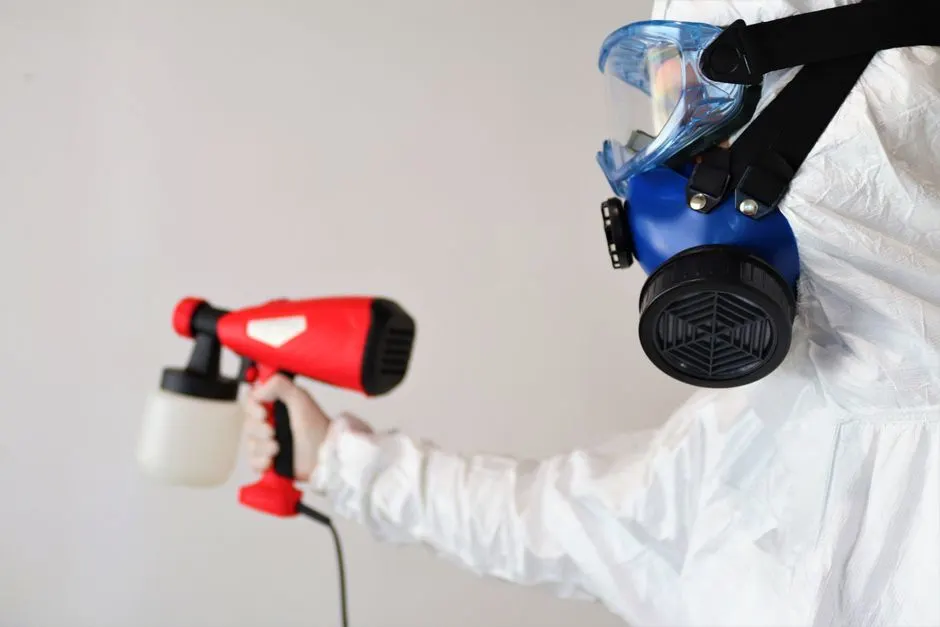
Crawl Space Mold Removal
Radon systems seal the soil, but mold already growing on joists needs removal first. We HEPA vacuum, apply an antimicrobial coating, and clear the space before any liner or pipe goes in.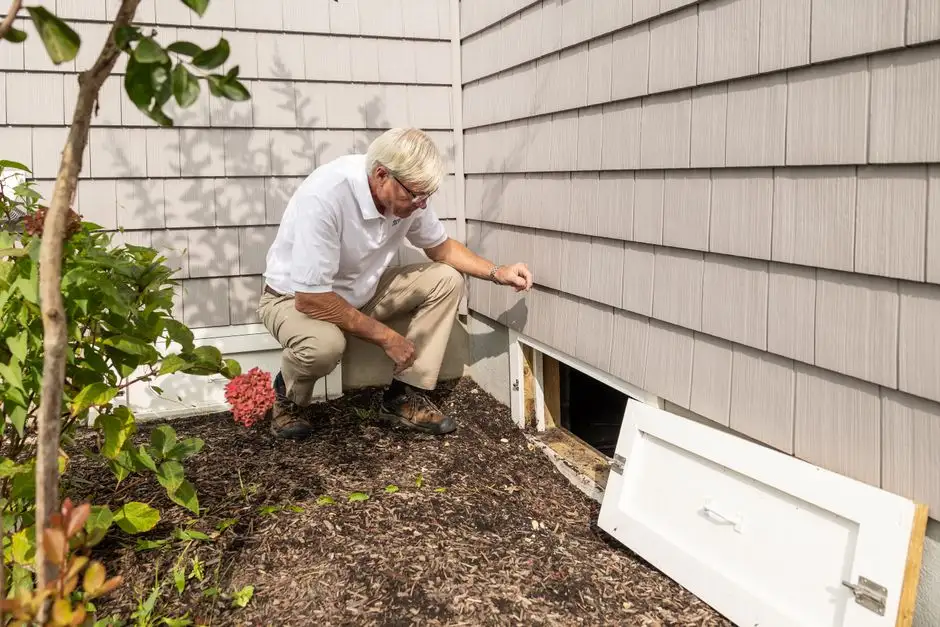
Crawl Space Mold Remediation
Full remediation for McLean crawl spaces with established mold colonies. We contain the work zone, remove damaged material, and treat framing with borate before your radon system is installed.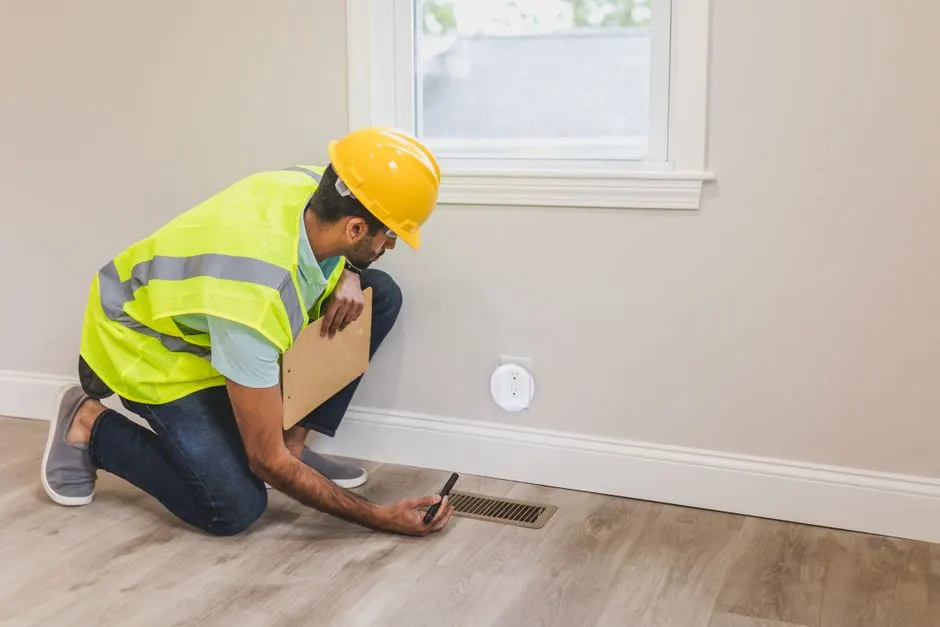
Crawl Space Mold Inspection
A boroscope and moisture meter inspection tells you whether mold is present before you spend money on a radon system. We document findings with photos and readings.Ready when you are
Schedule Crawl Space Radon Mitigation McLean VA
One test tells you whether your McLean home needs a system. We schedule, test, and quote in the same week, with no charge for the estimate. Call (571) 773-0698 and we will get you on the calendar.
Talk with the local team
Request Crawl Space Radon Mitigation
Call us at (571) 773-0698 or send an email and we'll get back to you the same business day. We schedule inspections Monday through Friday, 8 a.m. to 6 p.m., and we can usually be in your crawl space within 24 hours. If you've got water, mold, or a smell you can't place, we'll find it.